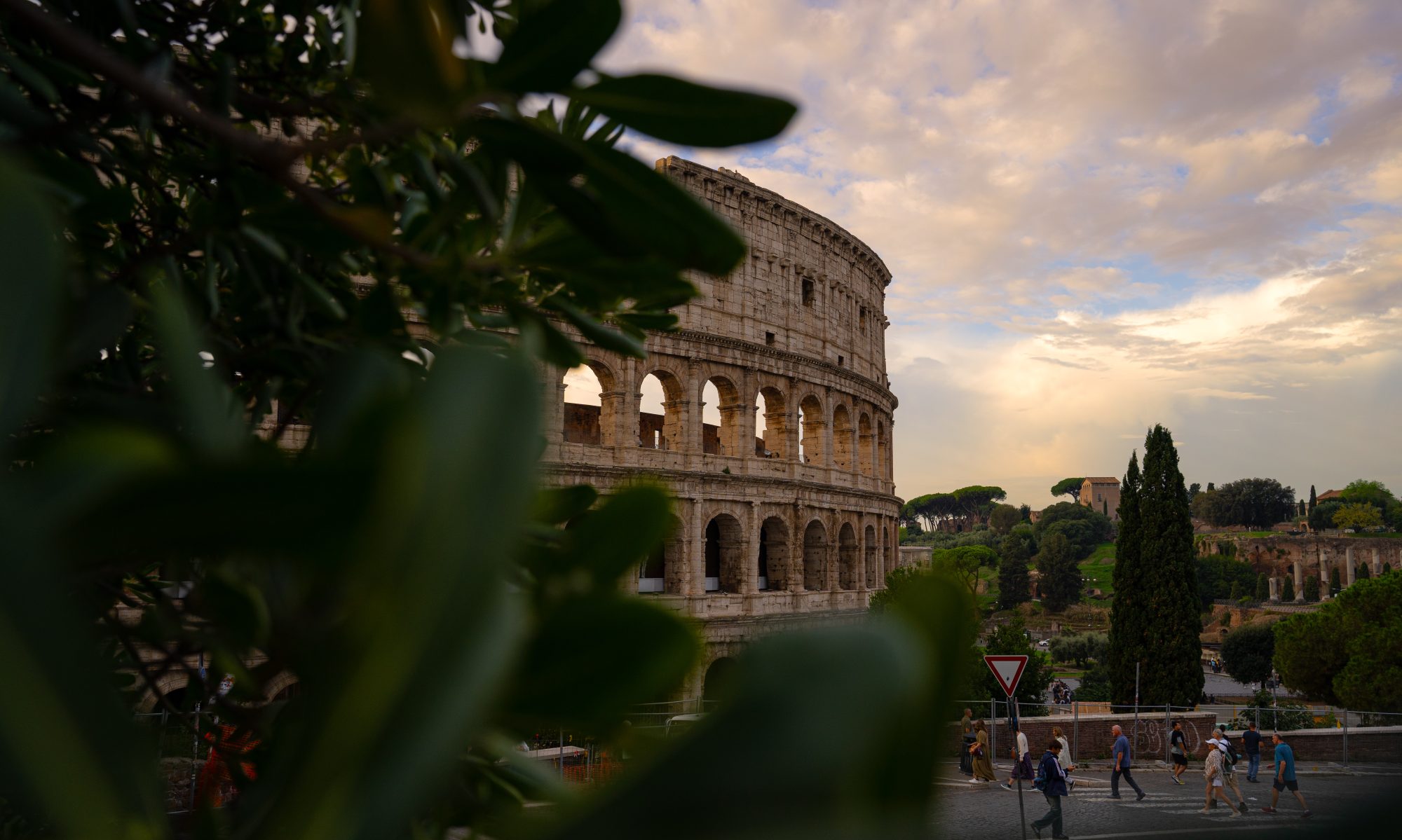

After ten years, it was finally time to revisit a destination that changes from day to day. Everything there is presented in superlatives, and most things seem unimaginable for ordinary people. But is that really the case?
We’re going to Dubai!
Most people visit Dubai because of its luxury, its reputation as a city of opportunity, and the belief that everything happens there. Many imagine that you can simply go there, land a million-dollar deal, and earn a fortune without working too hard.
But my trip to Dubai had a different purpose. It was more about reconnecting with family and taking a break from daily routines and work. We explored a lot, averaging 20,000 steps a day, cycling, taking the metro, driving, and using Uber.
It’s fascinating how all of this exists in the middle of the desert—how it functions, how it stands. The skyscrapers have shapes that look like something a two-year-old might draw—but they actually build them. It feels like physics and engineering work differently there.
One of the most common questions I got was, “Dubai is expensive, right?” And I always answered: not really. Prices are similar to ours. Of course, there’s a wide price range—if you dine at a luxury location, you’ll pay accordingly. But isn’t it the same everywhere? A coffee at a small countryside café is not the same as a coffee at a high-end spot in the city.
But what struck me the most was something else. As we walked through Dubai Marina in the evening, surrounded by lights, lively terraces, and people strolling around, I started to focus on the people themselves. I noticed that most of them were Europeans, and many of them seemed… empty. There were a lot of lonely faces, lacking real joy and relaxation. Perhaps they had come to Dubai thinking they had finally “made it,” that they had escaped the worries of adult life—only to realize they were wrong. Or maybe I’m the one who’s wrong, I don’t know. But as I walked and observed, one thought kept coming to mind:
Glitz and hardship—two worlds of the same reality.
Another thing that fascinated me was the reality of the workers who keep this shiny world running—Pakistanis, Indians, Bangladeshis, Sri Lankans, Nepalis… They make up 90% of Dubai’s population and work for low wages, sharing rooms and sending their earnings back home to support their families. And yet, despite their struggles, they are always kind, smiling, and ready to help. Even when dealing with Europeans who often have a superior attitude, they remain calm, as if ego doesn’t exist for them. They repeat things patiently, never rolling their eyes or reacting aggressively—so different from what we’re used to.
There are many more thoughts running through my mind, but perhaps I’ll save them for another time, on another occasion.
Overall—Dubai is a city of contrasts. It’s worth visiting, as there’s something for everyone. It’s constantly changing, growing, demolishing, and rebuilding. If anything is possible anywhere, it’s possible there. And when you see their plans for the future and talk to the “locals,” you realize—everything is possible. At least in Dubai.

 Blaž Pušnik